Crispy Skin Reverse-Sear Duck Breast
Most people overcook duck because they fear the fat. Reverse sear duck breast works with it instead, delivering crispy skin and medium-rare perfection.
Crispy Skin Reverse-Sear Duck Breast
This recipe comes to us from Tony Ramirez (aka TFTI BBQ), culinary influencer, backyard pitmaster, and friend of Montana Knife Company.
2
15 minutes
45 minutes
450
American BBQ
Dinner
I’ve cooked duck breast dozens of ways over the years, but the reverse-sear duck breast method changed everything. That first bite of perfectly rendered, crispy skin over medium-rare meat? That’s money.
Growing up with a Cajun mom from Louisiana and a Filipino dad who was a Navy chef, I learned early that the best dishes honor tradition and make room for technique. This reverse-seared duck breast does exactly that. The low-and-slow smoke infuses the meat with flavor, and the pan finish makes the skin so crispy it shatters when you bite into it.
Most people overcook duck. They’re afraid of the fat. But when you reverse-sear duck breast, you’re working with the fat instead of against it. The smoker renders it slowly, and the pan crisps what’s left.
Ingredients
blank
- 2 duck breasts (about 8 oz. each)
- Kosher salt
- Your favorite SPG seasoning (I use Hardcore Carnivore Black)
- Your favorite finishing salt (I use Osmo Salt Flakey Sriracha Sea Salt)
Directions
blank
blank
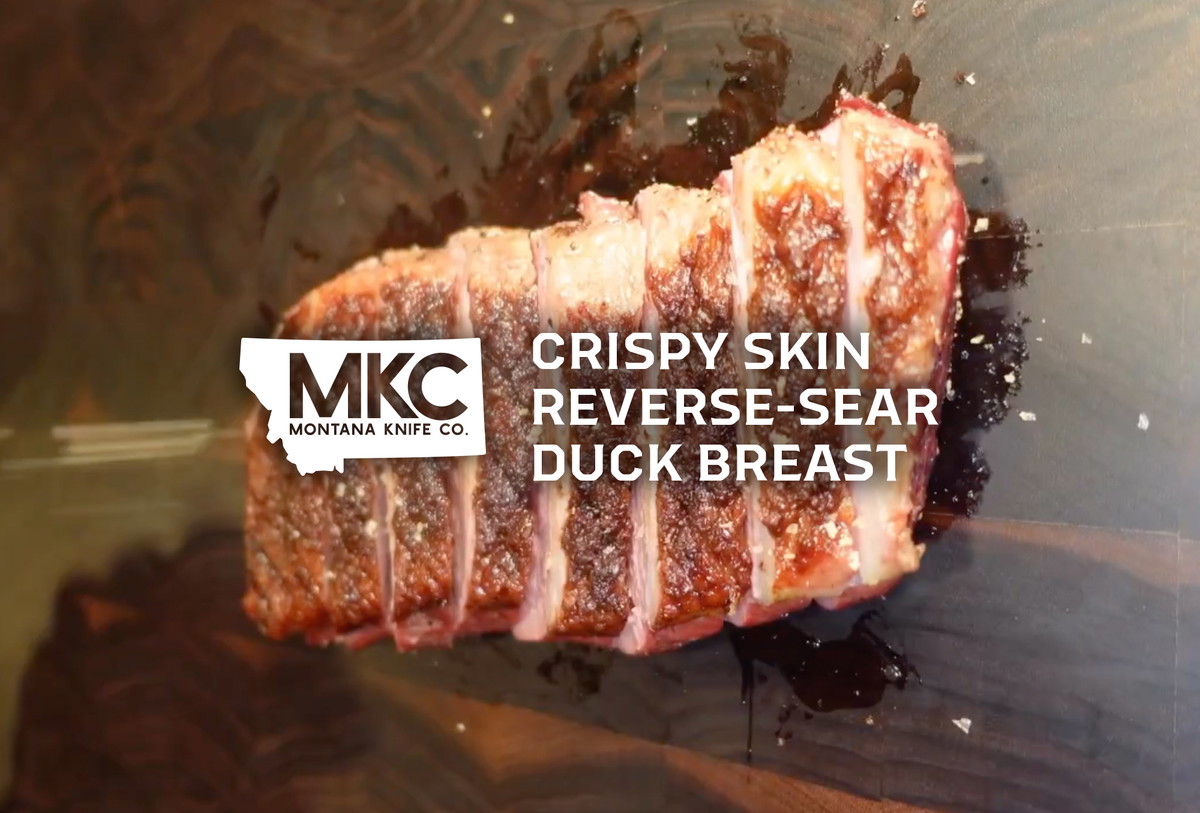
- Place your duck breasts skin-side up on a cutting board. Using a sharp, clean knife, score the skin in a crosshatch pattern. Cut through the fat but not into the meat. These scores allow fat to render during cooking, helping your seasoning penetrate more deeply.
- Space your cuts about half an inch apart. Take your time here. Clean, even scores mean even rendering, and even rendering means crispy skin across the entire surface.
blank
- Season the skin side generously with kosher salt. The salt draws moisture from the skin, which helps it crisp later.
- Flip the breasts and season the meat side with SPG. Let the seasoned duck sit at room temperature for 10 minutes as your smoker comes up to temperature.
blank
- Preheat your smoker to 225°F. Fruit woods like cherry or apple work well with duck, though hickory adds a bolder smoke flavor if that’s your preference.
- Insert your meat thermometer probe into the thickest part of one breast. Set your target temperature to 130°F, but plan to pull the duck when it reaches an internal temperature of 115°F. The reverse-sear duck breast method relies on this two-stage cooking process.
- Place the duck breasts directly on the grate, skin-side up. Close the lid and let the smoker do its work. This takes about 25–35 minutes, depending on the thickness of your breasts.
blank
- During the smoking phase, place a cast-iron skillet on your stovetop. Do not preheat it. When your reverse-seared duck breast hits 115°F, pull it from the smoker and place it skin-side down in the cold pan.
- Turn the burner to medium heat. Starting in a cold pan lets the fat render slowly as the temperature climbs. You’ll hear the sizzle build gradually. This is exactly what you want.
- Watch the internal temperature. The carryover heat from smoking, plus the pan heat, will push it toward your target. Pull the duck when it reaches an internal temperature of 125°F to 130°F. The breasts will coast up to 130°F to 135°F during the rest.
blank
- Transfer the duck to a cutting board and let it rest for 10 to 15 minutes. I know it’s tempting to cut in early, but resting allows the juices to redistribute. Skip this step, and those juices end up on your cutting board instead of in your mouth.
- After resting, use a sharp knife to slice the reverse-seared duck breast against the grain into half-inch medallions. The meat should be rosy pink throughout with a dark, lacquered crust on the skin side.
- Finish with a sprinkle of Osmo Salt Flakey Sriracha Sea Salt over the sliced duck. Serve immediately.